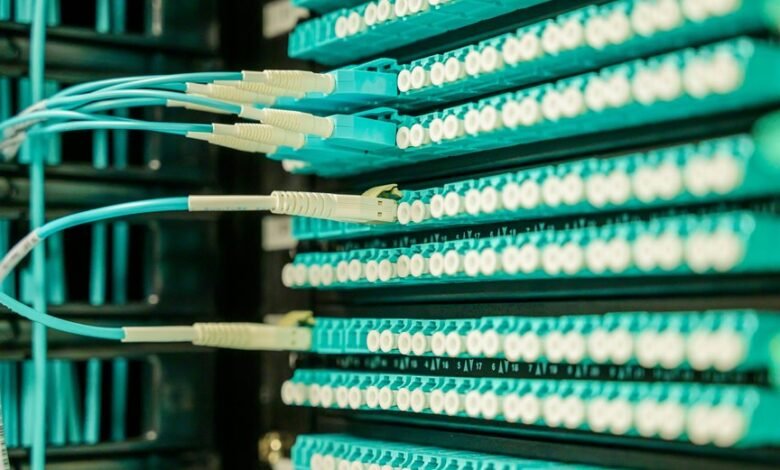
Smart Digital Network Optimization involves a systematic approach to enhancing network efficiency. It encompasses various strategies, such as bandwidth management and latency reduction. By leveraging advanced tools like mesh networking and encryption protocols, organizations can secure data integrity while optimizing connectivity. However, the complexities of network performance often lead to persistent issues. Understanding how to effectively address these challenges is crucial for maintaining a competitive edge in an increasingly digital landscape.
Understanding the Basics of Smart Digital Networks
As organizations increasingly embrace digital transformation, understanding the fundamentals of smart digital networks becomes essential for optimizing performance and enhancing connectivity.
A smart grid exemplifies this by integrating advanced technologies to improve energy distribution and consumption.
Analyzing network topology reveals how various configurations impact data flow and resource allocation, ultimately enabling organizations to achieve greater efficiency and adaptability within their digital ecosystems.
Key Strategies for Optimizing Network Performance
Optimizing network performance requires a multifaceted approach that incorporates various strategies tailored to the unique demands of digital environments.
Effective bandwidth management ensures that resources are allocated efficiently, preventing congestion.
Concurrently, implementing latency reduction techniques, such as optimizing routing protocols and minimizing data packet sizes, enhances responsiveness.
Together, these strategies empower organizations to maximize operational efficiency while maintaining the freedom to innovate within their digital landscapes.
Tools and Technologies to Enhance Connectivity
A diverse array of tools and technologies exists to enhance connectivity within digital networks.
Wireless technologies, including advanced Wi-Fi standards and mesh networking, facilitate seamless communication.
Furthermore, robust network security measures, such as encryption protocols and firewalls, ensure data integrity and user privacy.
Together, these advancements empower users to maximize performance while maintaining the freedom and flexibility essential in today’s interconnected environment.
Troubleshooting Common Network Issues for Better Efficiency
How can network administrators effectively identify and resolve common issues to improve overall efficiency?
By monitoring for signal interference and analyzing bandwidth allocation, they can preemptively address problems.
Utilizing diagnostic tools allows for the detection of bottlenecks and disruptions.
Streamlined processes and strategic adjustments ensure optimal performance, ultimately fostering a robust network that meets user demands while maintaining freedom and flexibility in connectivity.
Conclusion
In conclusion, smart digital network optimization serves as a cornerstone for creating cohesive and competitive connectivity. By harnessing advanced technologies and implementing strategic solutions, organizations can significantly enhance efficiency and effectiveness. The diligent deployment of tools, coupled with proactive troubleshooting, fosters a flourishing digital ecosystem. Ultimately, the pursuit of peak performance paves the way for perpetual progress, positioning enterprises to adeptly adapt to the dynamic demands of the digital landscape.